It all started with one question.
In 2013, three university students started teaching at a refugee learning centre in Kuala Lumpur. Three years later, they asked themselves a question. The answer became PichaEats.
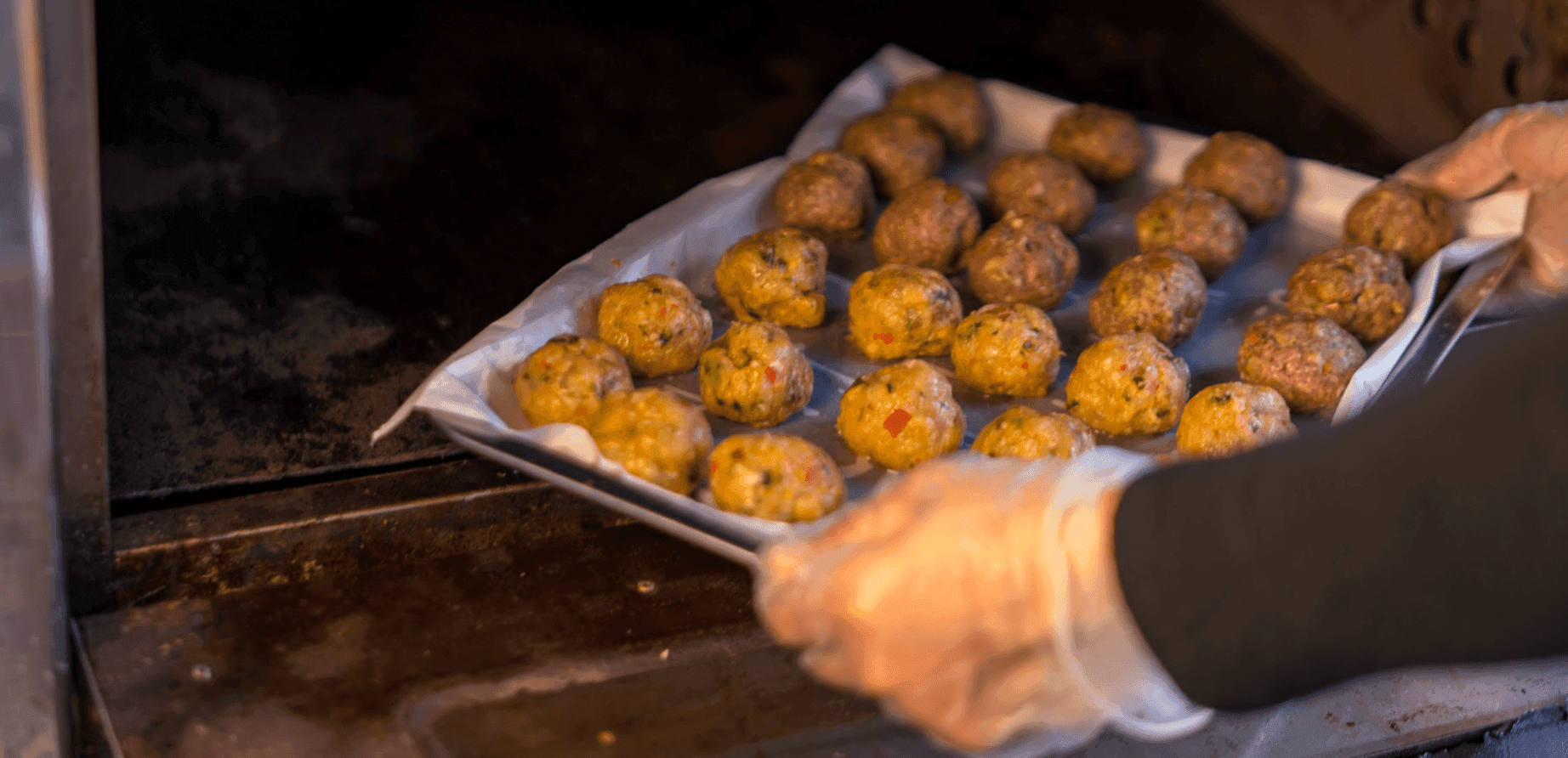
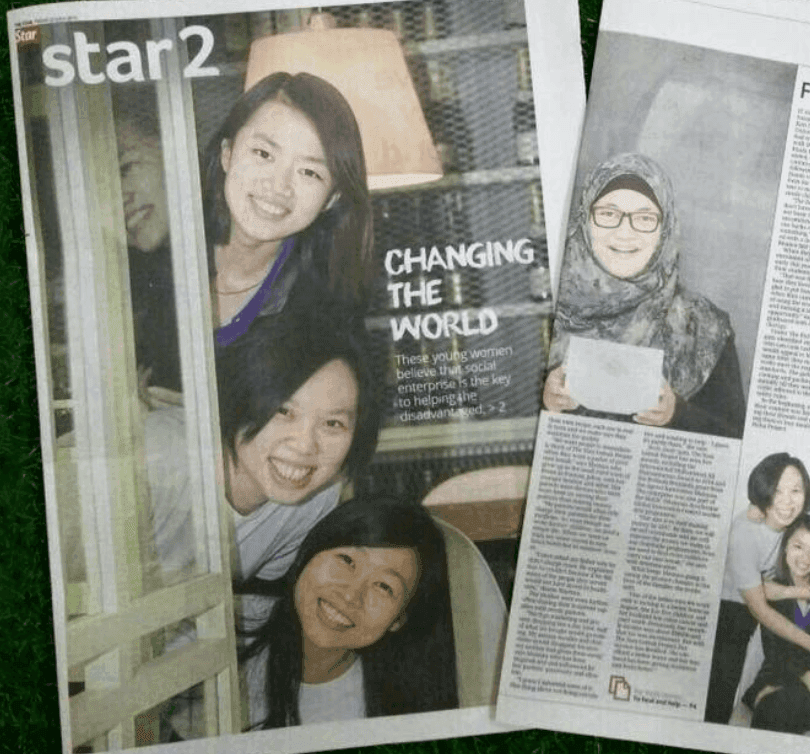
Three students, one school.
In 2013, three university students started volunteering at a refugee learning centre in Kuala Lumpur. Their names are Kim Lim, Suzanne Ling, and Lee Swee Lin. They taught maths, English, music, and whatever else needed teaching.
They taught for three years. In those three years, many of their students dropped out of school. Not because they wanted to, but because of financial hardship at home. Some had to find work. Some had to look after younger siblings while their parents searched for piecemeal jobs.
One day, the three teachers asked themselves a question. How can we help parents from the refugee community to be financially stable, so that their children can receive education?
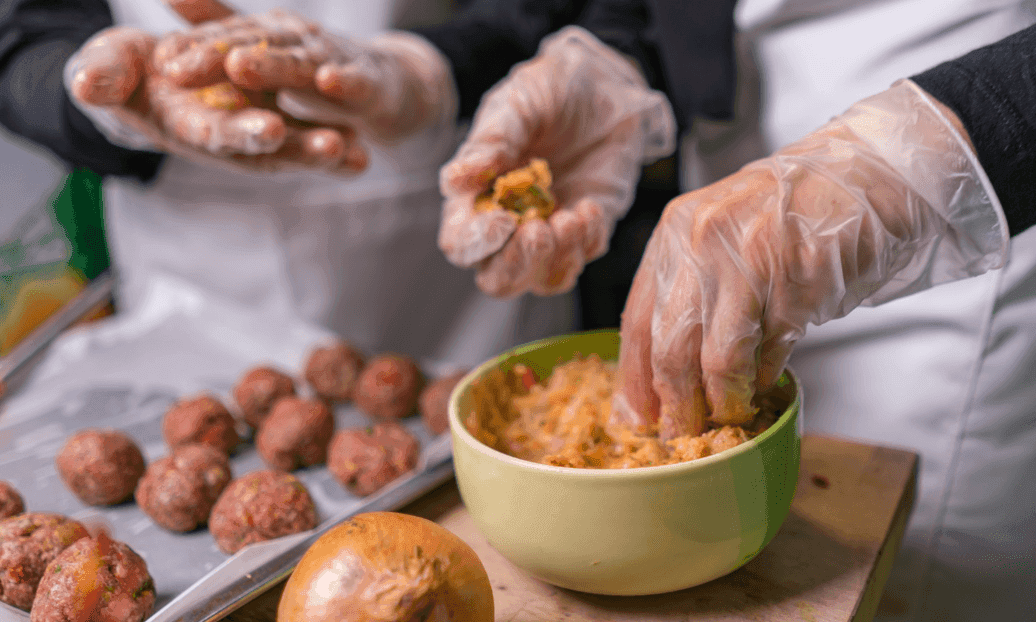
A meal that sparked an idea.
In 2016, they had a meal with their refugee students' families. Recipes carried across borders, cooked in home kitchens, served with the kind of generosity that made the meal feel like an event.
That meal sparked a thought. The refugee community can cook. Everyone eats every day. Can a food business make a difference in their lives?
The legal reality was stark. Malaysia isn't a party to the 1951 UN Refugee Convention, which means refugees here cannot be formally employed. Open borders, closed doors. But there was a grey area. Refugees could work as freelancers. So the three friends built a simple model around it.
They would identify families who could cook. They would train them to become professional chefs. They would design the menu, the packaging, the branding. They would handle logistics and deliver food cooked by the chefs to clients.
From one family to a community.
A decade of slow, patient growth. Measured not in revenue alone, but in the number of families who built lives through food.
The volunteering begins
Kim, Suzanne, and Swee Lin start teaching at a refugee learning centre in Kuala Lumpur. They notice that families' financial struggles are pulling children out of school.
The Picha Project is born
The first deliveries go out from Picha's mother's home kitchen. Myanmar food, hand-delivered, paid for directly to the family. One chef, one customer at a time.
Edge Inspiring Young Leaders Award
By year-end, the project supports nine refugee families from Myanmar, Syria, Afghanistan, Palestine, and Iran. RM 500,000 in cumulative sales. Open houses at the chefs' homes begin, selling out on Christmas, Valentine's Day, and Ramadan.
We lose Chef Zaza
Our Syrian chef Mohamad Sad Zaza passes away from cancer. His hospital-bed wish, to cook Chicken Mandi for people in need during Ramadan, becomes the Zaza Movement, our ongoing fundraising programme.
90 open houses, 1,000 guests
The open house model, where guests dine in chefs' homes and hear their stories, becomes a defining PichaEats experience. Eleven refugee families now cook with us.
Rebrand to PichaEats
The Picha Project becomes PichaEats, signalling a shift from a project to a sustainable food business. Same mission. Bigger ambitions.
The pandemic, and the pivot
Catering goes to zero overnight. We pivot to home delivery, ready-to-eat meals, and revive the Zaza Movement, delivering 25,000 meals to frontliners, B40 households, and refugee communities during the MCO.
Tatler Asia's Most Influential
The three co-founders are named to Tatler Asia's Most Influential Impact List, alongside 135,000+ meals served and 25 families supported through the years.
23 chefs, 19 kitchens, RM 1.04 million
In 2025 alone, we paid RM 1,045,295 in livelihoods to individuals from refugee and stateless communities. 1,884 orders fulfilled. 12 home kitchens upgraded.
A decade in
We've served over 350,000 meals, partnered with over 60 chefs across the years, and built relationships with 2,000+ corporate clients. And we're still figuring it out as we go.
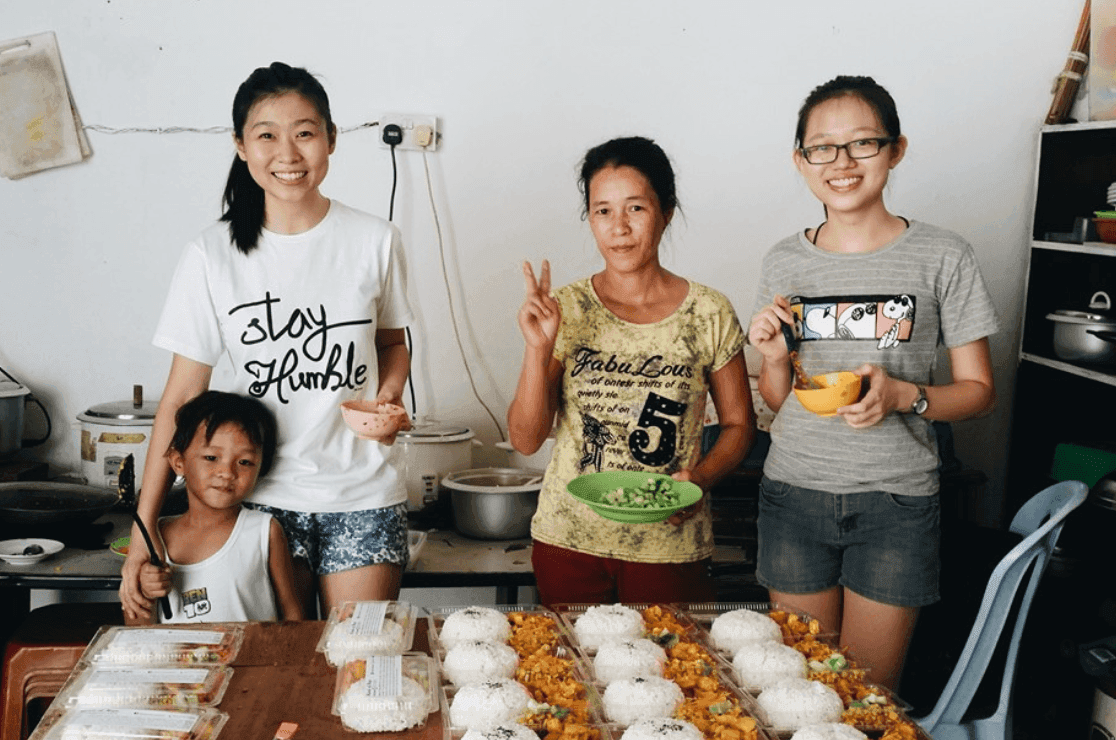
Picha's mother, the chef who said yes.
The first family to try the model was Picha's. His mother became our first chef. She walked alongside us through every early experiment, with great patience and support, as we learned how to be the kind of business we were trying to be.
We named the business after Picha. He was four years old at the time, too young to know what was being built in his name. The naming wasn't about him personally. It was about a constant reminder, that this business was started for the people, and that it would continue to grow to impact more families.
Today, Picha and his family have resettled in the United States. They're safe. They're building a new life. The little boy whose name became our brand is now growing up far from where it began.
But the work continues. Dozens of chefs have cooked with us across the years. Syrian, Palestinian, Afghan, Pakistani, Iranian, Burmese. Some have stayed in Kuala Lumpur. Some have resettled to Australia, Canada, the Netherlands, the United States. All of them keep cooking.
Ten years on, the principles are still the same.
The business has grown. The team has grown. The chefs have come, stayed, sometimes left to start new lives. But the brief we started with hasn't changed.
Dignity, not charity
Our chefs aren't recipients of help. They're business partners. They cook, they earn, they decide. We work for them as much as we work with them.
Food is the bridge
Food is the most universal language we know. It's how strangers become friends, how cultures meet, how a Malaysian office orders lunch and ends up funding a Syrian family's rent.
Sustainability over scale
We've never chased rapid growth. We've grown the business at the pace at which chefs can be trained, kitchens can be onboarded, and quality can be guaranteed. Slow is sustainable.
The story is still being written.
Every order, every booking, every shared meal. It's all part of what comes next. We'd love for you to be part of it.